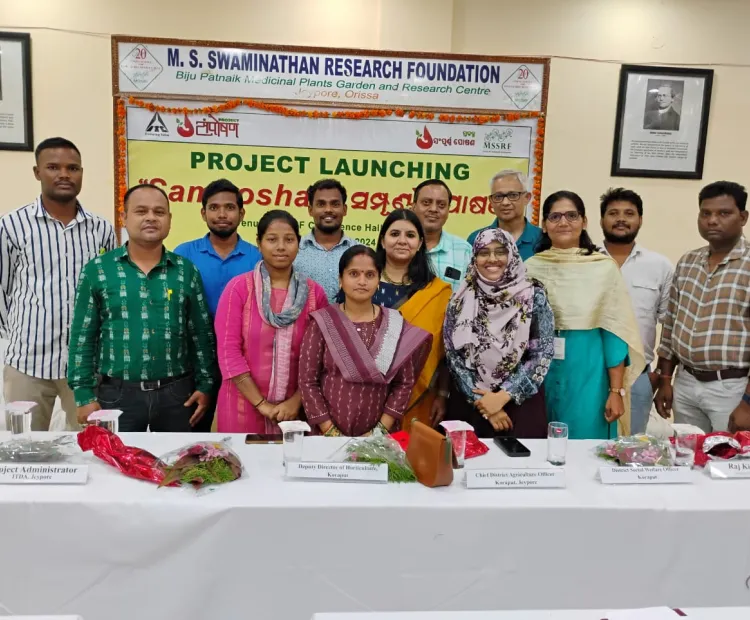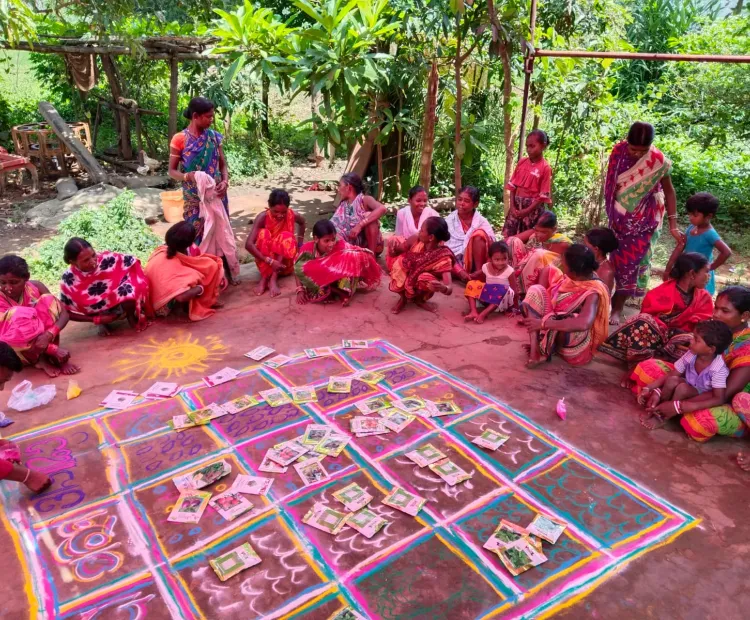
Improving Household Dietary Diversity of rural and tribal people though promotion of Nutrition Gardens in Koraput district of Odisha


Nutrition and Health
Health and nutrition are shaped long before a meal reaches a plate, by the food systems that grow it, the climate that stresses it, the health systems that respond to illness, and the invisible threats, like antimicrobial resistance, that move between people, animals and the environment.
MSSRF's Health Systems and Nutrition programme works across this full arc, generating policy-relevant evidence on child undernutrition, strengthening frontline health systems in tribal communities, building a new evidence base on heat stress and health in India, and pioneering a One Health approach to antimicrobial resistance (AMR). It is science, field action and systems engagement working together, not as separate tracks, but as one continuous effort to make health and nutrition outcomes better where they matter most.
Maternal and Child Nutrition and Food Systems
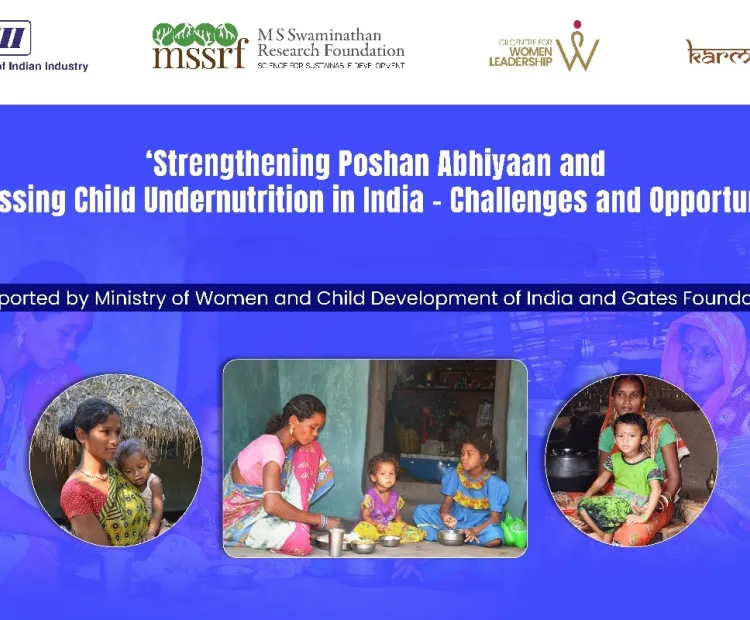
We build the evidence that shapes nutrition policy and practice. This means studying how well nutrition programmes reach families, testing better ways to understand what people eat, and looking closely at local and often overlooked foods that can improve diets. We connect this work to public nutrition systems, dietary diversity and the growing links between climate and nutrition. Our findings feed directly into recommendations for state governments and national policy makers.
Community Health Systems and Governance
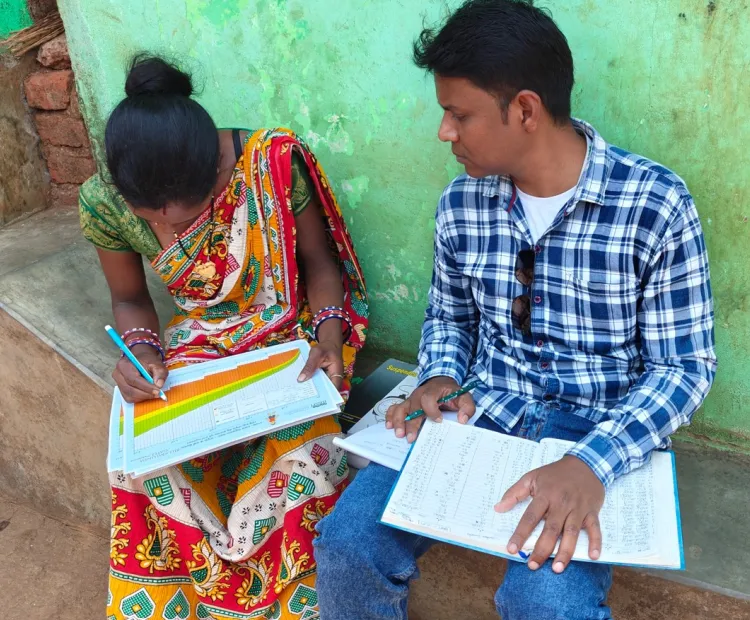
We work at the frontline of community health, especially in tribal and remote areas. This means strengthening local health committees, improving teamwork between frontline health workers, and supporting community health champions who connect families to care. Our focus is on catching malnutrition and high-risk pregnancies early, following up with the children who need it most, and building stronger trust between communities and the health system.
Climate Resilience, Health and Well-being
Climate change including rising heat is becoming a serious health risk, and we are building the evidence to understand it. This means studying how extreme heat affects people's health, from outdoor workers to pregnant women and children. Our work combines household surveys, health assessments and community awareness, and it is helping lay the groundwork for early warning systems that can protect vulnerable communities as heat risks grow
One Health and Emerging Health Threats
Many health risks appear where people, animals, farms and the environment meet. Antimicrobial resistance is one of the clearest examples. We are building surveillance and evidence systems that span agriculture, livestock and aquaculture, working with research and veterinary institutions to track risk, encourage responsible antibiotic use, and support stronger state and national policy.