
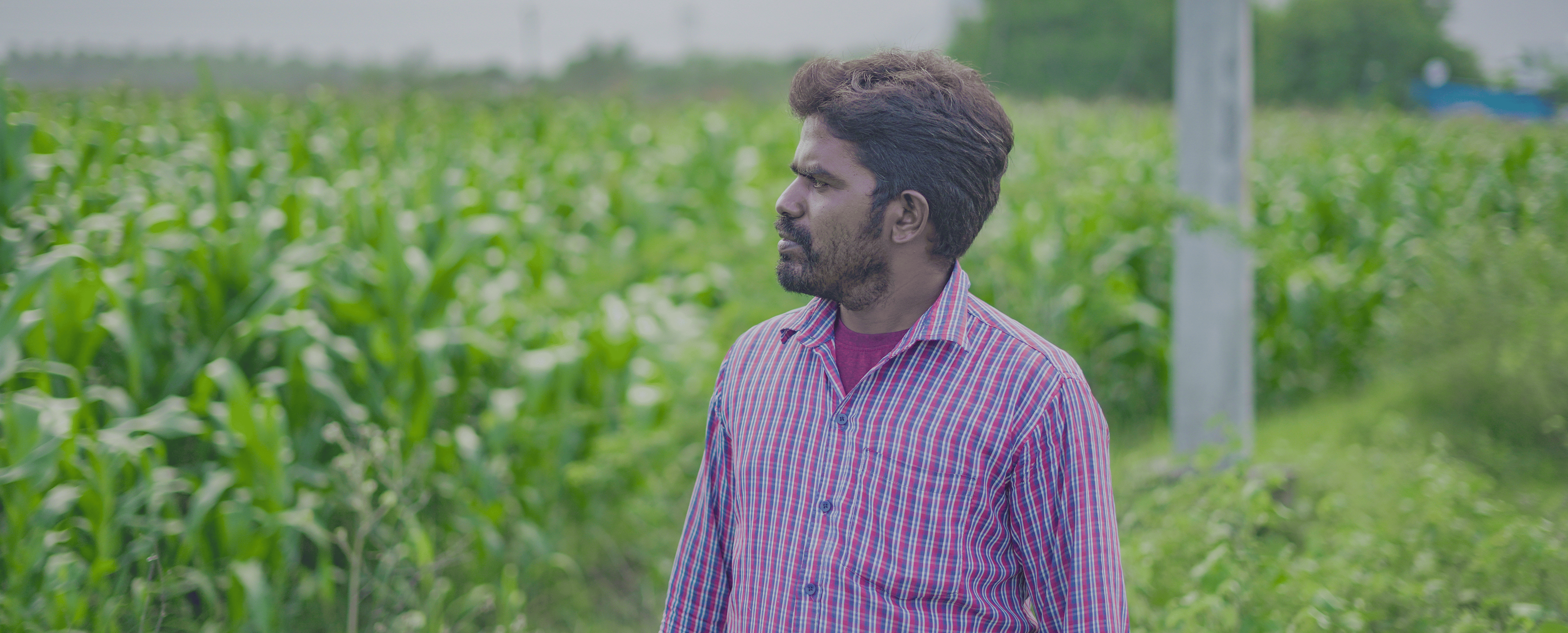
From chemicals to bioinputs, farmers explore alternatives
When Mr Velangani Arokyam returned from Singapore six years ago to his farm in Karisalpatti village in Kannivadi, he knew little about farming. The 37-year-old had returned to care for his family and decided to teach himself how to cultivate the land. Like most smallholder farmers in India, he was driven to grow more at a lower cost. But erratic weather, pests, diseases and declining soil health made it all difficult. For Arokyam, the answer came from learning and experimenting with bioinputs – an alternative to conventional chemical fertilisers. “Bioinputs are more effective and do not damage the soil like chemical alternatives. Over time, my yield has increased and costs have reduced,” said Arokyam, who cultivates maize, jasmine, snake gourd, and bottle gourd, among other varieties.
For the past six years, Arokyam has been applying what he has learnt through agricultural training programmes in Kannivadi including those conducted by the M.S. Swaminathan Research Foundation (MSSRF). He uses a range of non-chemical inputs including vermicompost and a biofungicide called Trichoderma viride. Some of his varieties are vulnerable to verpuuchi or root grubs. He uses a Bacillus-based biopesticide to tackle them.
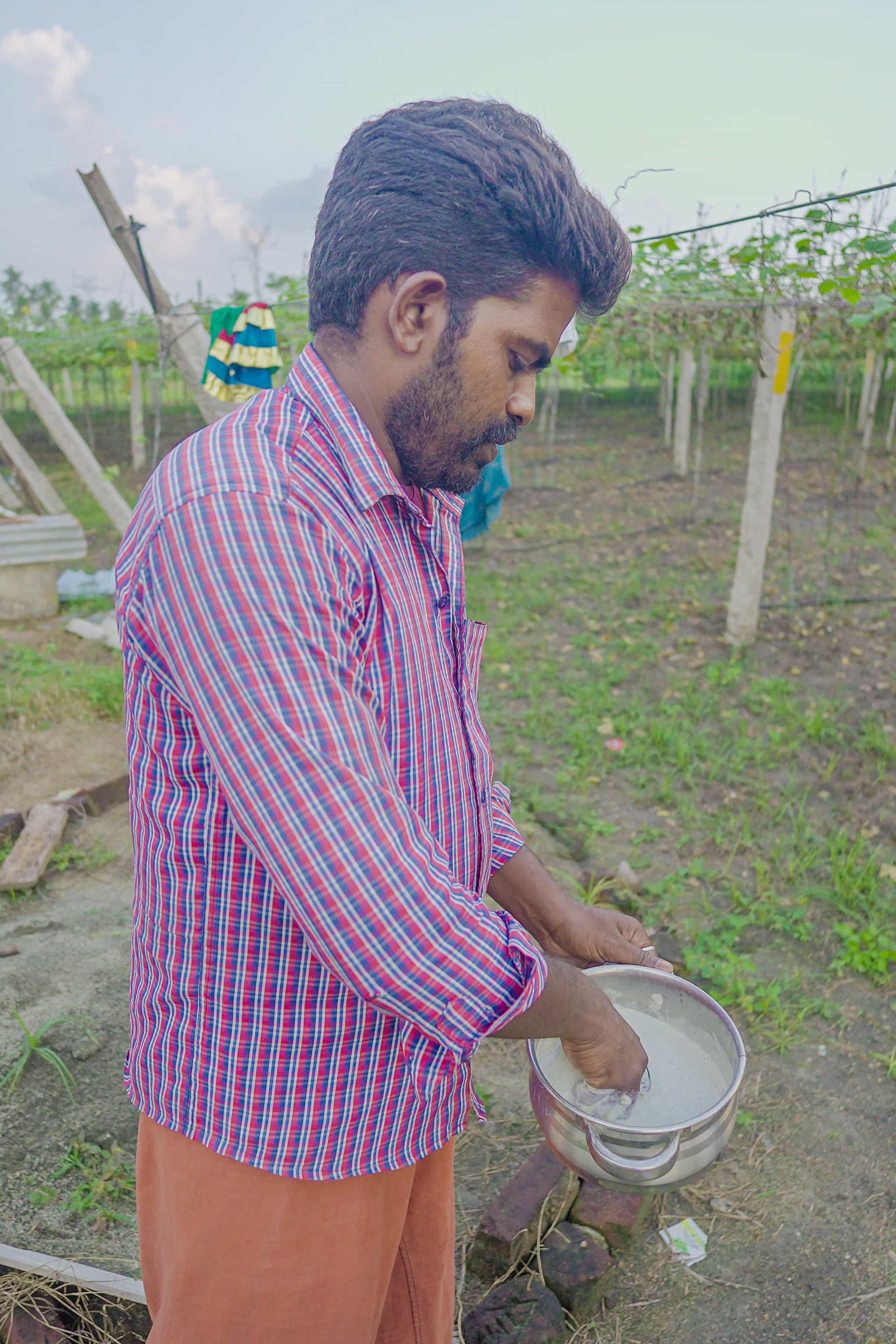
Arokyam mixes bioinputs with water until it turns liquid. Photo: MSSRF/Lakshmikanth Bharathi
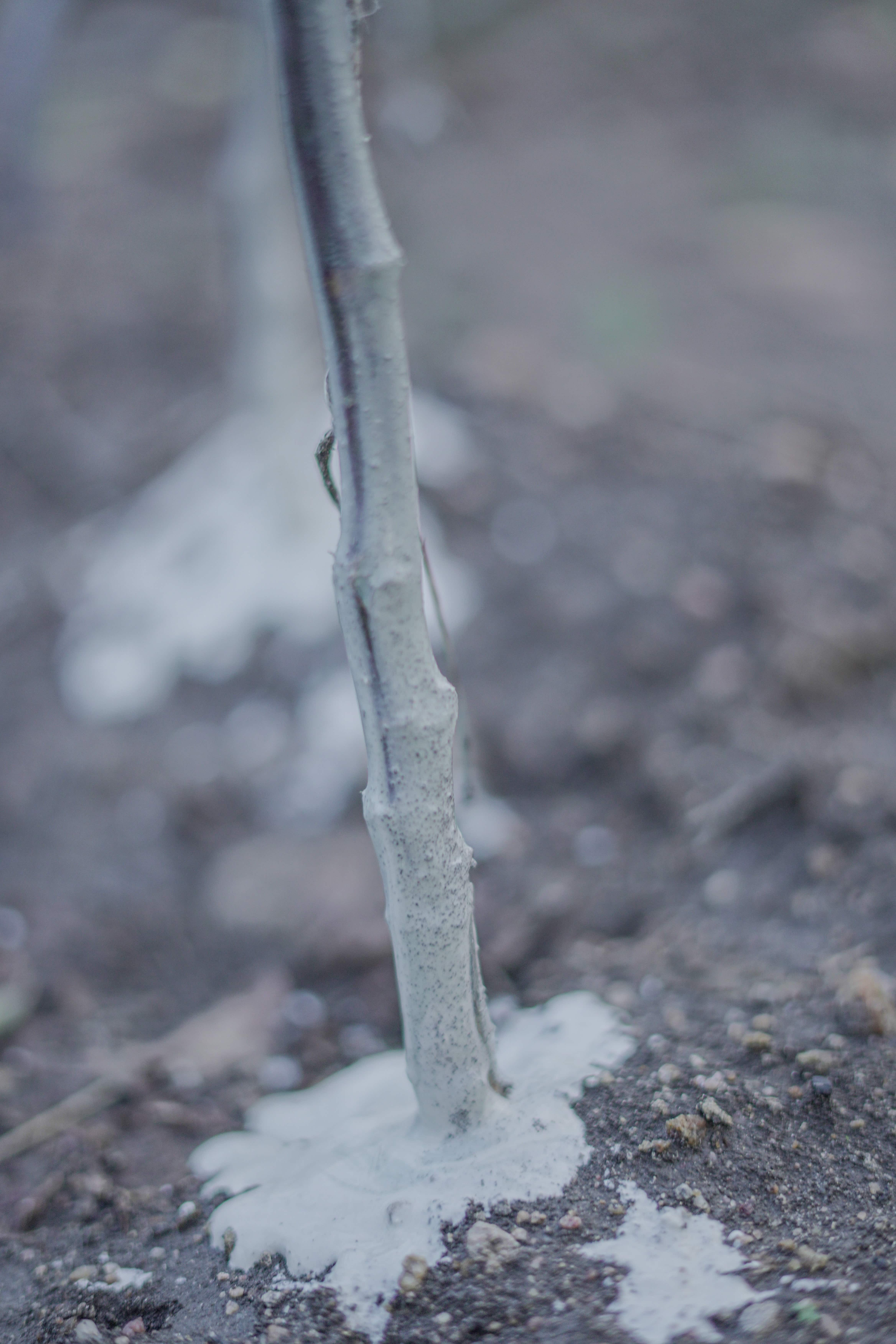
The bioinput liquid is applied to the plant from base to tip. Photo: MSSRF/Lakshmikanth Bharathi
In partnership with the Government of Tamil Nadu and the Reddiarchatram Sustainable Agriculture Producer Company Limited (RESAPCOL), a Farmer Producer Organization (FPO), MSSRF has been working on the ground to increase the use of bioinputs, improve access to agricultural innovations and help translate scientific knowledge into practical solutions on farms.
Arokyam’s association with RESAPCOL and MSSRF began in 2020. Through in-person and online training programmes, he learnt to manage his rain-fed farm better and improve its water management. When he is unable to identify problems with the plants, the RESAPCOL and MSSRF team visits his farms for diagnosis and an effective solution.
Learning to look beyond chemicals
Bio and organic inputs are natural products derived from living organisms – such as plants, animals, fungi, bacteria – and help improve soil fertility, support plant growth, and enhance crop health. Biofertilizers, biopesticides, biofungicides, biostimulants, and natural farming inputs are a few types of bioinputs that help in pest management and tackle various plant diseases. Chemical fertilizers and pesticides, on the other hand, are made from synthetic substances that make food crops less safe to consume and erode soil health over time
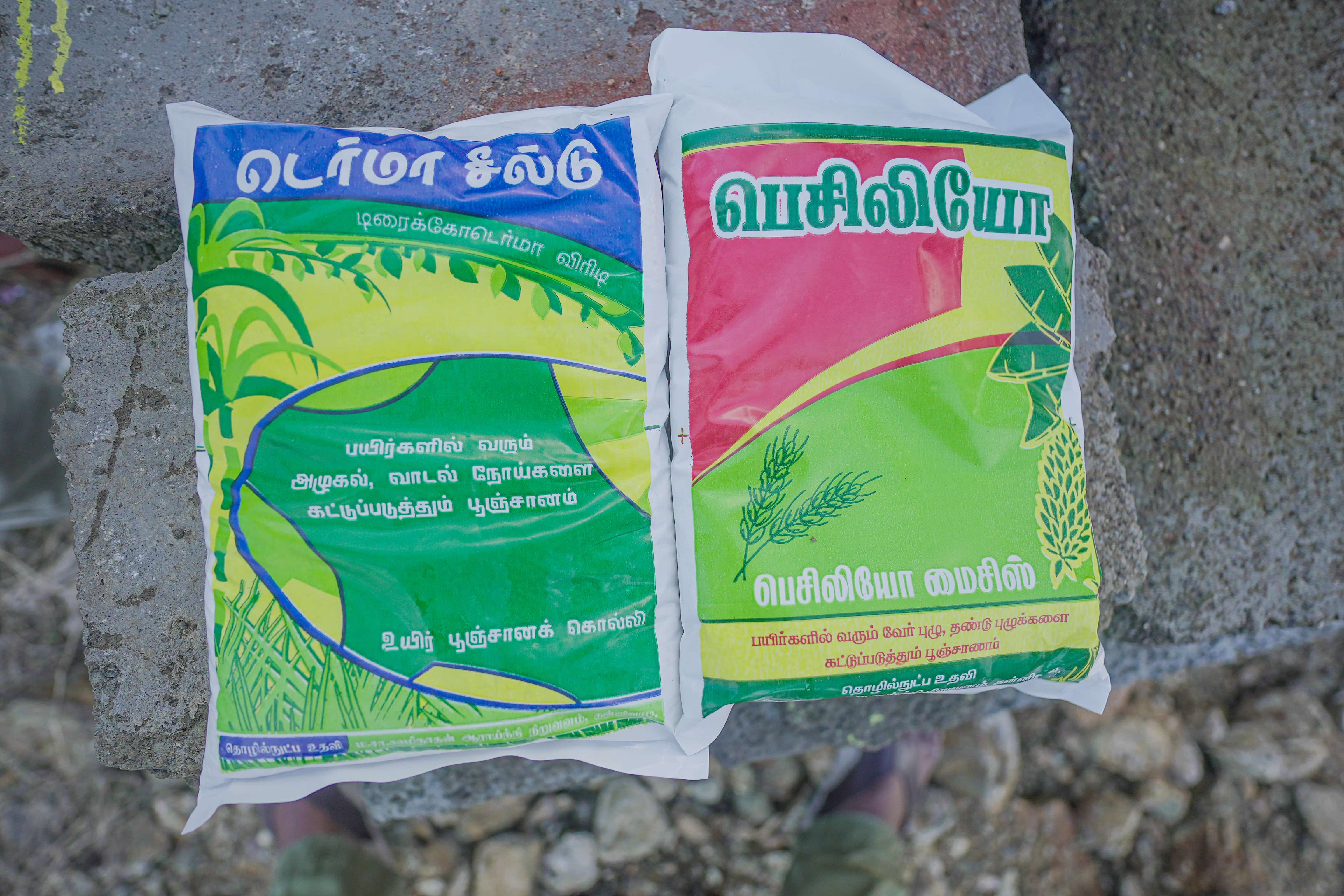
Bioinputs produced by RESAPCOL with MSSRF's support. The bag on the left contains a biofungicide called trichoderma viride. The bag on the right is a bacillus-based biopesticide. Photo: MSSRF/Lakshmikanth Bharathi
“Many studies show that soil health and yields improve over time with organic and bioinputs, in comparison to a chemical-based approach,” said Dr. R Rengalakshmi, Executive Director, R&D and Policy, MSSRF. “MSSRF has been driving efforts on the ground to produce bioinputs, build marketing linkages and encourage the switch to sustainable or regenerative farming techniques. Through in-person and digital workshops, farmers in Kannivadi and other MSSRF work sites are regularly trained on the best practices to adopt bioinputs, maximise yield and improve soil health over time,” she added.
While bioinputs have large benefits, especially for small and marginal farmers, not all farmers have the access to the knowledge and skills. Lack of awareness about bioinputs is also a challenge, due to which many farmers rely on chemical inputs often marketed as a silver bullet solution to on-farm problems. According to the Fertilizer Association of India, India's per-hectare consumption of chemical fertilisers surged from 135 kg in 2015-16 to 141 kg in 2022-23.
From training to local production
Ms. Chitra, one of the women trained by MSSRF and RESAPCOL, have been producing the bioinputs for farmers like Arokyam since 2004. Her SHG now produces two bio fungicides and directly sells them to the farmers.
One is made with Bacillus subtilis and is used against diseases such as blight and wilt. Another uses Pseudomonas fluorescens and is used to manage diseases including leaf wilt, leaf spot, rot and blast.
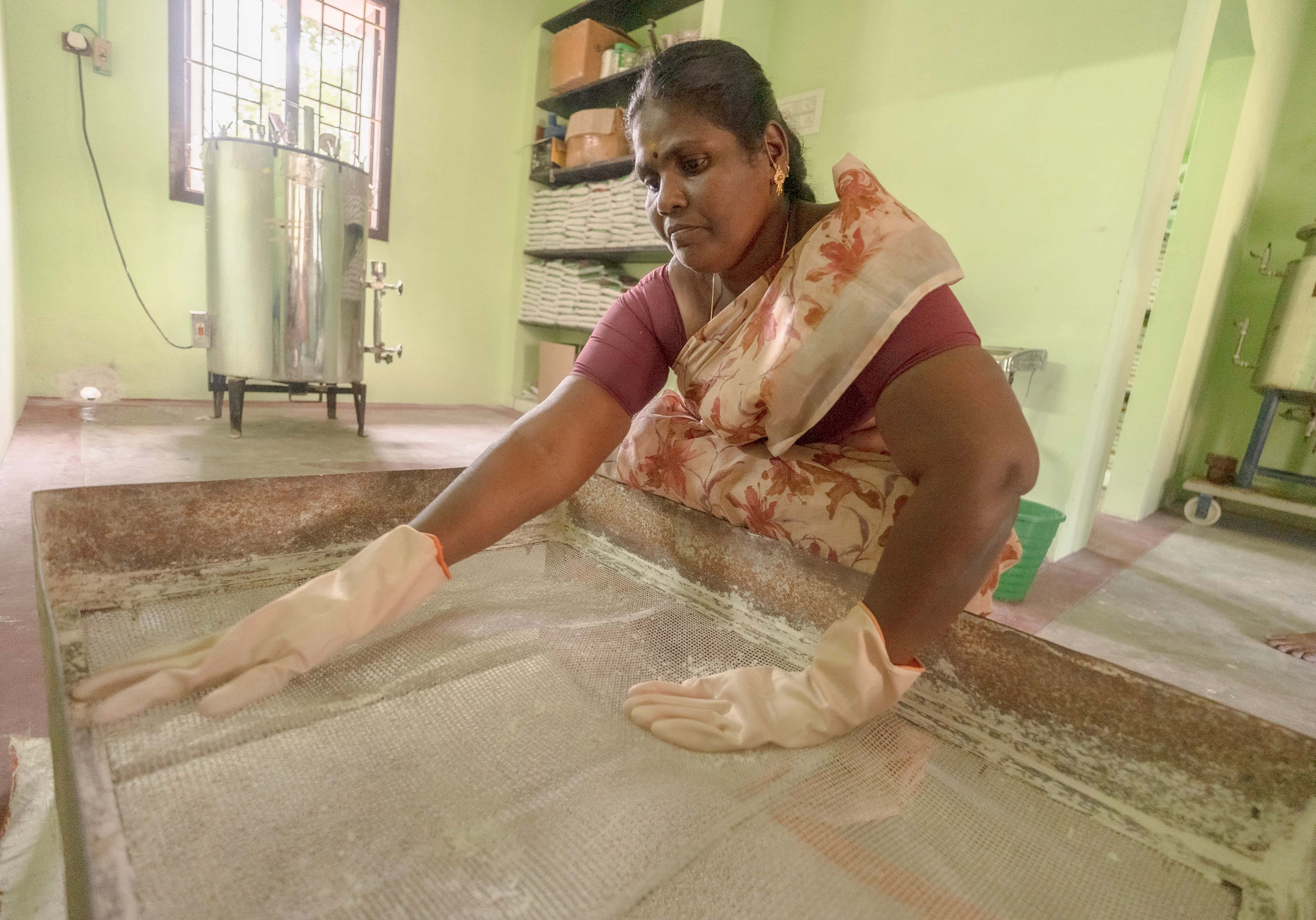
Chitra at her SHG's bioinput resource centre in Kannivadi. Photo: MSSRF/Lakshmikanth Bharathi
Tamil Nadu is among the major producers of both solid and liquid bioinputs including biofungicides, biopesticides, bionematicides and biofertilizers. In Kannivadi, regular capacity building and timely availability of quality bioinputs at affordable prices are helping more farmers explore these options.
The shift is not just limited to inputs that are mixed with soil or sprayed on the crops. On a farm in Karattupatti, Ms. Priya and her husband use sticky traps to control some sucking pests on the farm they have been cultivating for past 10 years. These traps are yellow sheets that are tied to plants and attract pests, which get trapped overnight. “They catch flies and other insects,” said Priya. “I used to use chemicals, but the flies continued to increase in number. Sticky traps have helped me reduce my pesticide cost,” she added.
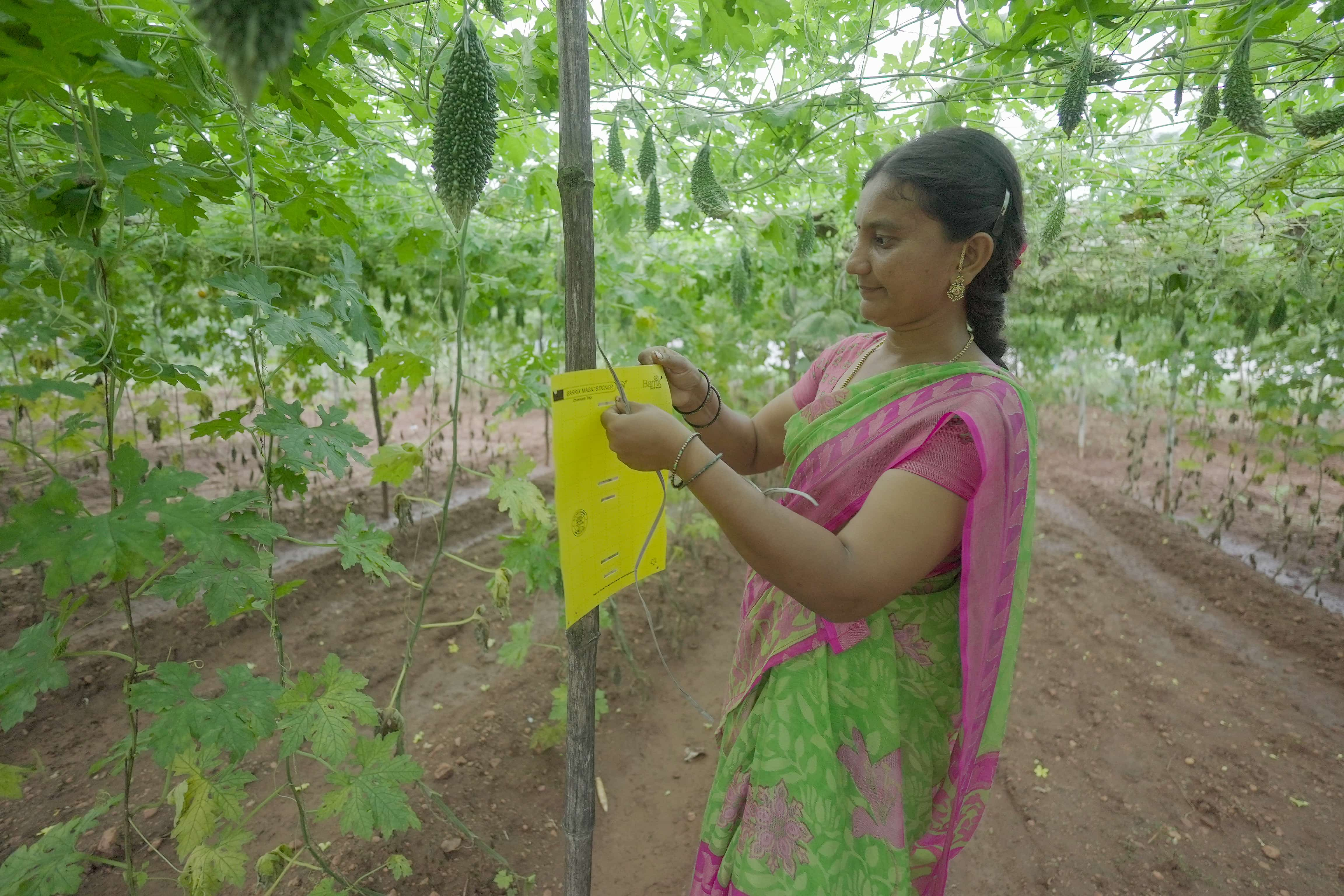
Priya attaches a yellow sticky trap to her plant. Photo: MSSRF/Lakshmikanth Bharathi
Lack of market linkages remains a significant hurdle for bioinputs. Their chemical counterparts are widely accessible and seem cheaper in the short term. “With enabling environments, the quality and reach of bioinputs can be improved greatly.” said Rengalakshmi. “The switch to bioinputs will be much faster when the science reaches the farmers in a way they can understand and comprehend. Our field teams are continuously working on making this shift happen,” she added.
Afrah Umapathy is the Digital Communications Manager at MSSRF.
Jyoti Shelar is the Head of Communications and Donor Outreach at MSSRF.