
MSSRF Marks World Environment Day with Seed Festival, Plantation Drives and Student Quizzes
This World Environment Day, M.S. Swaminathan Research Foundation (MSSRF) looked towards indigenous knowledge, nature-based solutions and community participation. Across its centres, MSSRF brought together farmers, scientists, students, researchers and staff members to explore pathways to a more climate resilient future.
A Community Seed Festival was organised in Koraput, Odisha by MSSRF’s Tribal Agrobiodiversity Centre (TAbC) team in collaboration with the Odisha Biodiversity Board. The event spotlighted the power of native seed conservation – since these seeds have evolved within their native ecosystems over centuries, they have developed a resilience to local climatic stresses.
In her inaugural address at the event, Dr Soumya Swaminathan, Chairperson, MSSRF, highlighted that tribal communities have long sustained seed and gene banks, preserving varieties that are both climate-resilient and nutritionally rich.
TAbC’s Director Prashant Parida, Director also spoke about the role of indigenous seeds in strengthening long-term food security.
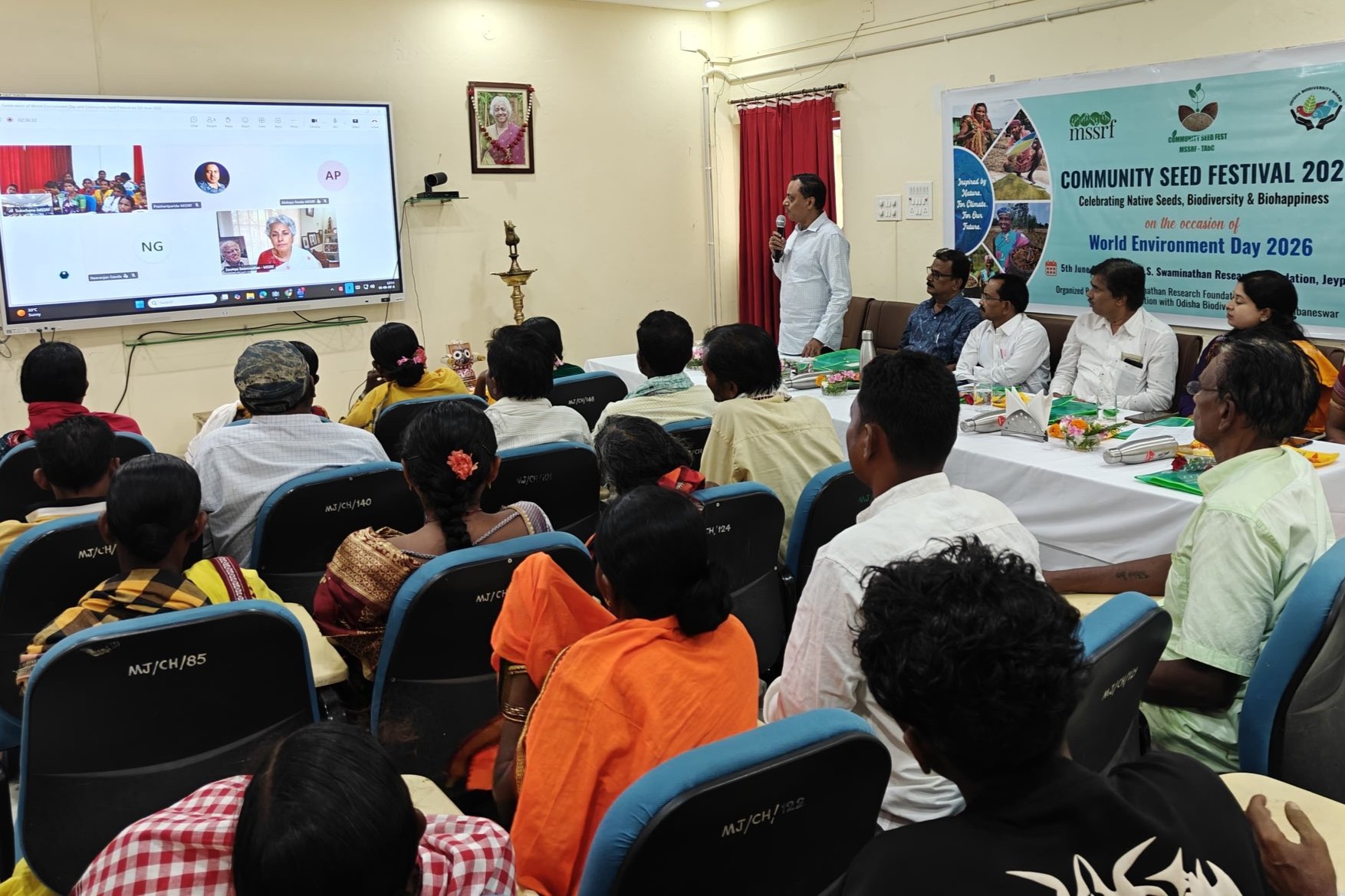
MSSRF’s Community Seed Fest in Koraput, Odisha. Photo: MSSRF/Archives
7.jpeg)
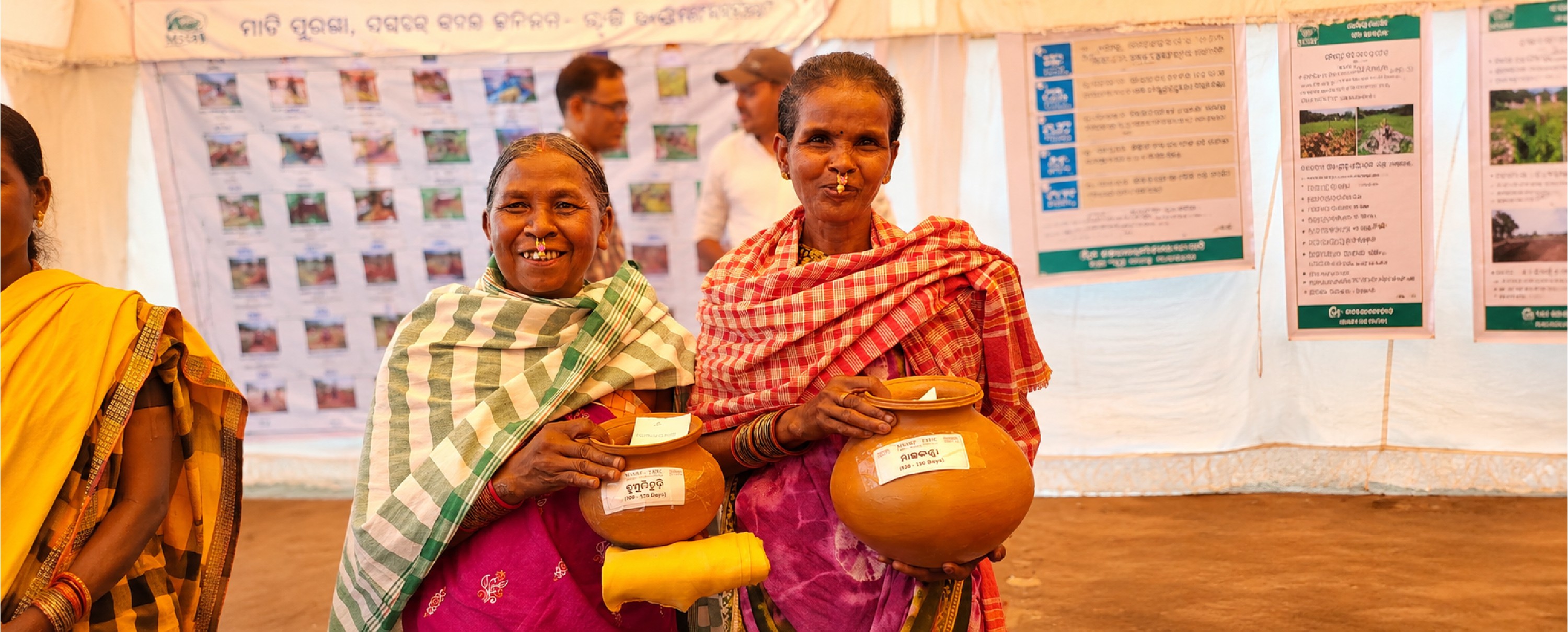
Farmer receives seeds during the exchange programme. Photo: MSSRF/Archives
The event included a Seed Exchange Programme with over 120 farmers. Mr Prashant Patel, Divisional Forest Officer, Jeypore Forest Division, distributed the seeds to farmers. MSSRF recognised 10 custodian farmers with awards of ₹10,000 each under the Panchabati Grama Unnayana Samiti (PGUS), commending their efforts in conserving indigenous seed heritage.
Custodian farmers including members of the Biodiversity Management Committee, local dignitaries from Koraput, and researchers exchanged their own experiences to strengthen their knowledge and inform their agricultural practices.
At MSSRF’s Community Agrobiodiversity Centre (CAbC) in Wayanad, Kerala, the World Environment Day was marked by sessions with local communities to educate and drive action. The event saw students engaging in interactive quizzes and an informative session on Sustainable Development Goals (SDGs) and planting guava and sapota saplings in their campus. The CAbC team also organised a planation drive of Rare, Endangered and Threatened (RET) plant species in Wayand.
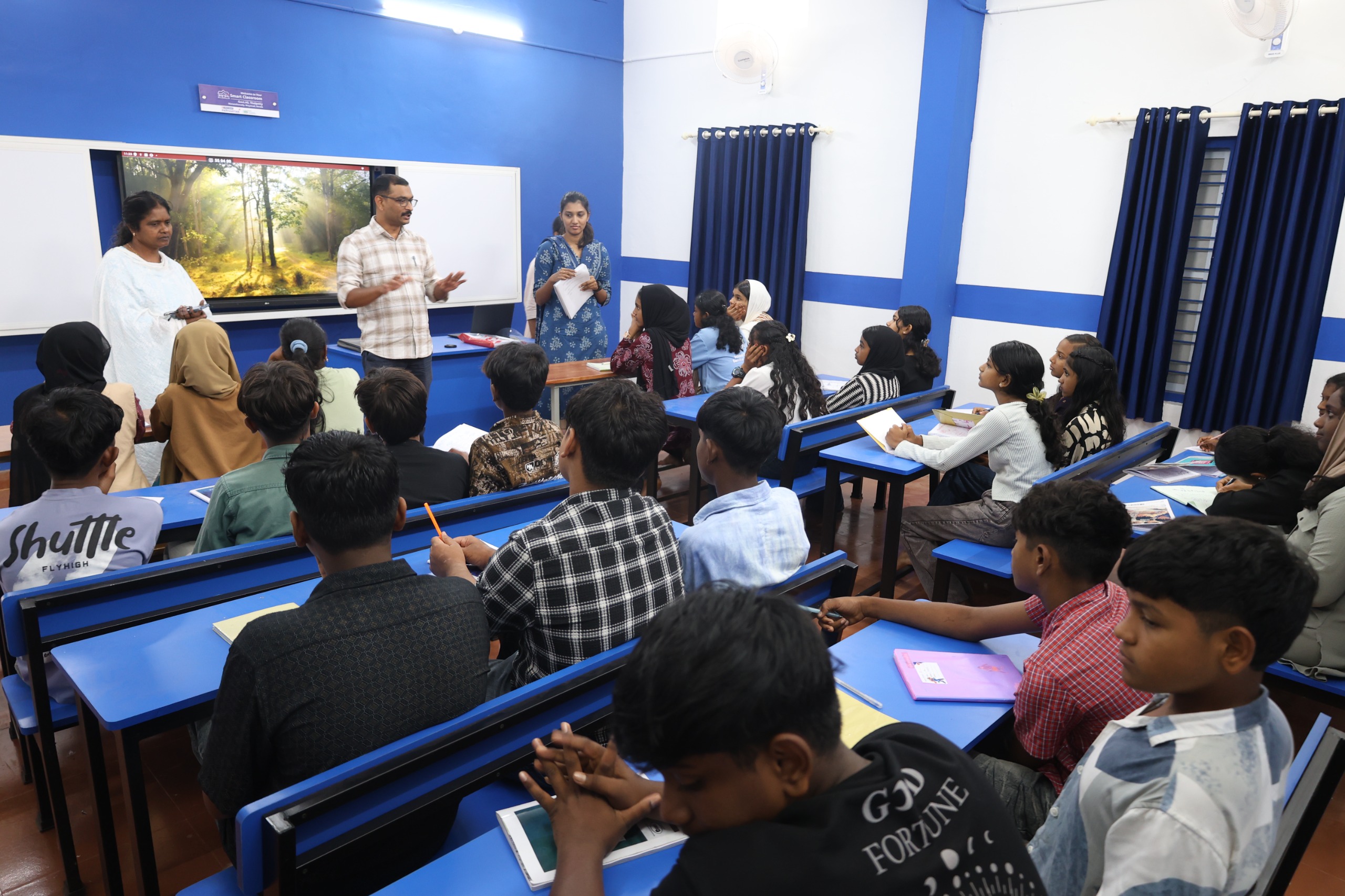
MSSRF CAbC staff hosting an education session at Poopara, Wayanad. Photo: MSSRF/Archives
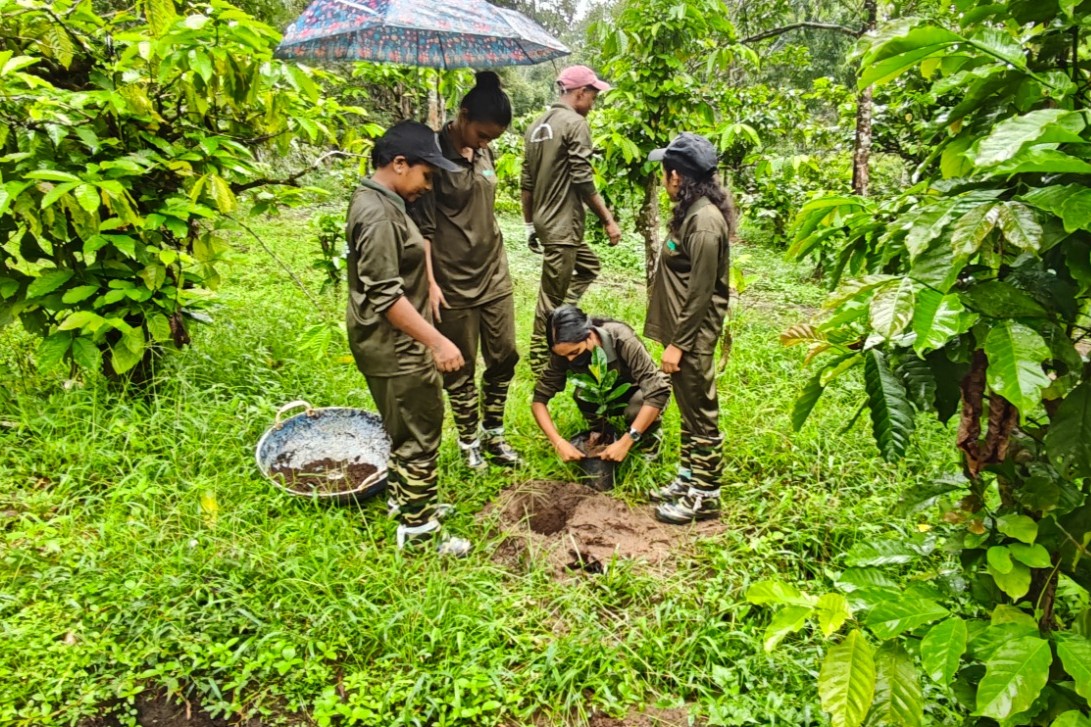
Volunteers planting trees in Wayanad. Photo: MSSRF/Archives
Complementing these on-ground efforts, MSSRF’s Chennai headquarters turned the attention inward. The staff unpacked their own relationships with the environment, exploring questions such as: What does planetary health mean in our daily lives? What habits can we cultivate to reduce our ecological footprint? The team brainstormed ways to translate theoretical ideas into actionable practices, while Biohappiness emerged as a unifying theme.