
Stakeholders Call for Conservation and Better Management of Kerala’s Kol Wetlands
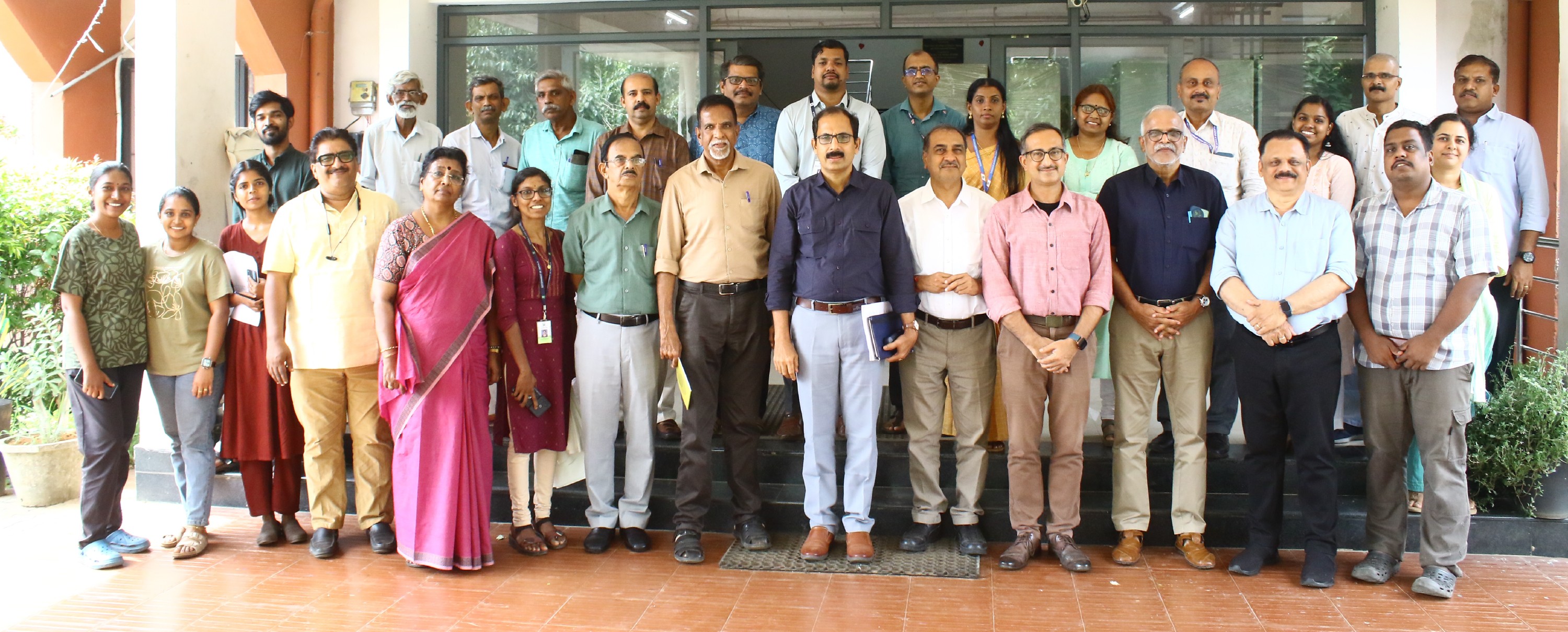
A diverse group of stakeholders associated with Kol Wetlands came together to strengthen efforts to recognise and conserve the wetlands as a Local Agrobiodiversity Heritage System (LAHS) in Kerala. The multi-stakeholder workshop highlighted the ecological, agricultural, economic and cultural importance of the Kol wetlands and stressed the need for collective action to protect the region’s biodiversity and farming heritage.
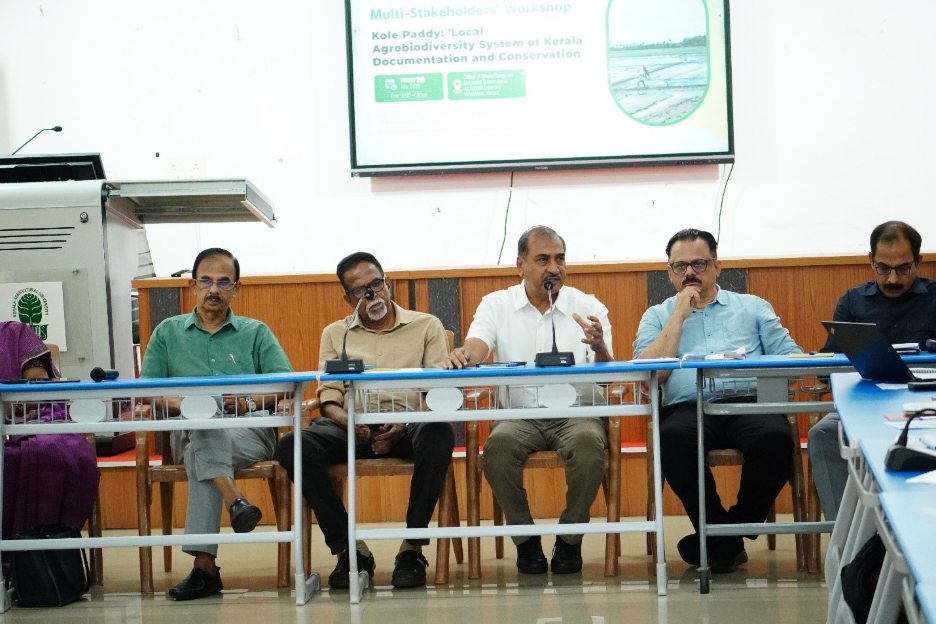
The workshop was organised by the Community Agrobiodiversity Centre (CAbC) of M S Swaminathan Research Foundation (MSSRF), with support from Kerala State Biodiversity Board (KSBB), in collaboration with the College of Climate Change and Environmental Science, Kerala Agricultural University, and Kol Birders’ Collective. Around 50 participants attended the workshop, including farmers, local residents, member State Wetland Authority of Kerala, researchers, grassroots groups, government departments, Biodiversity Management Committees (BMCs) and representatives of Local Self-Governments (LSGs). MSSRF shared findings from a year-long study that documented different aspects of Kol wetlands. Discussions focused on highlighting the historical importance of the Kol farming system and identifying ways to support its conservation and sustainable management.
The workshop stressed that the Kol wetlands are more than just paddy fields. They are a living socio-ecological landscape that supports biodiversity, food security, livelihoods, culture, and climate resilience. Participants also discussed growing threats to the wetlands, including land-use change, declining traditional knowledge, and environmental degradation.
"Kol wetlands are witnessing a decline in biodiversity and traditional crop varieties. Strengthening market value and linking tourism initiatives with agrobiodiversity heritage recognition are important for conservation and livelihood security,” said a BMC representative.
Dr. N. Anil Kumar, Chairman of KSBB who chaired the session, said, “It is important to combine scientific documentation with local knowledge systems to ensure long-term sustainability of the Kol wetlands.”
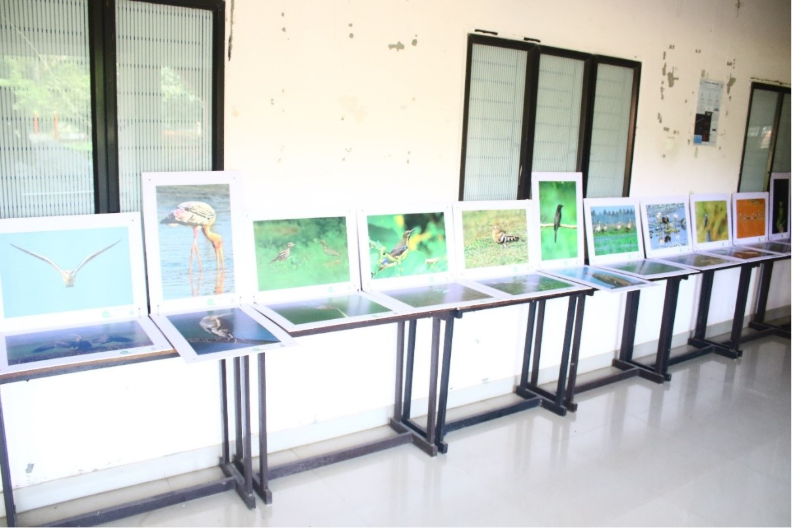
The workshop featured interactive discussions and a photography exhibition by the Kol Birders’ Collective showcasing the rich biodiversity of the wetlands. The exhibition helped participants better understand the value of the Kol ecosystem and reinforced the need for stronger engagement in wetland conservation.
“Kerala needs stronger support for value-added products, agrotourism initiatives, and integrated farming systems. Revising the People’s Biodiversity Register, improving disaster management, and creating incubation centres for youth can strengthen the sustainability of the Kol region,” said Sreedharan, a farmer from Kol wetlands.
“The workshop contributed valuable inputs for improving the ongoing documentation process and for developing a shared vision, action plan, and policy recommendations for the future of the Kol wetlands,” said Dr Niraj U Joshi. Director, MSSRF CAbC. “The initiative once again highlighted the importance of collective action in conserving Kerala’s unique agricultural heritage systems,” he added.